Economy, Business & Finance
Interest payments on the national debt
About 5% of government spending goes on interest payments, although this is below the historic average. Read
Fact checks
Fact checks related to policies of austerity and public and national debt
Economy, Business & Finance
About 5% of government spending goes on interest payments, although this is below the historic average. Read
Economy, Business & Finance
Between 2009/10 and 2015/16 public sector net borrowing decreased from 9.9% of GDP to 3.8%, or by around two thirds. Read
Economy, Business & Finance
The most recent figures can’t tell us how much of an impact Brexit has had on the Office for Budget Responsibility's forecast for public sector debt. Read
Economy, Business & Finance
We've seen claims about Labour's plans for investment spending. Read
Economy, Business & Finance
Borrowing peaked at about 10% of the size of the economy (GDP) in 2009/10, and it’s now down to about 3.5%. That’s a relatively large deficit, but not off the scale historically. Read
Economy, Business & Finance
The deficit did fall while the Coalition was in power, but not by as much as originally planned. Read
Economy, Business & Finance
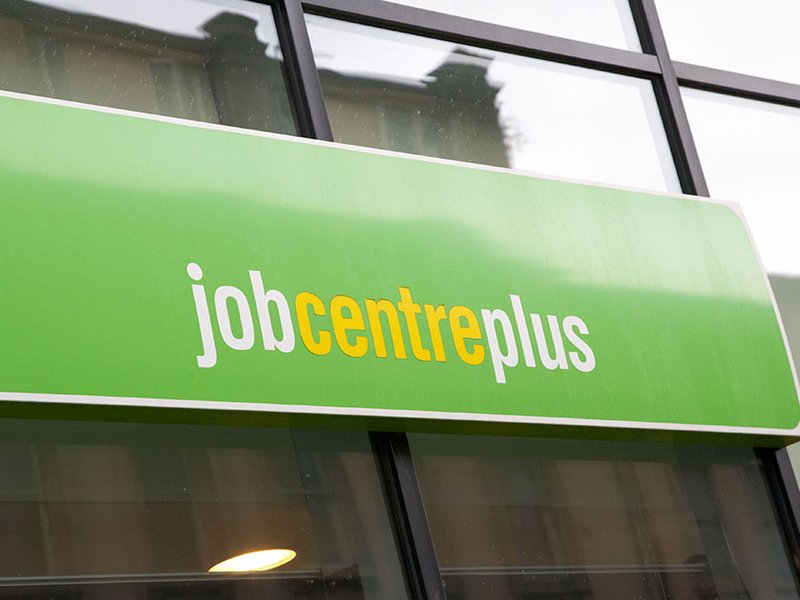
Half the Jobcentre Plus sites in Glasgow are set to close under DWP plans. The Department plans to reduce its office space nationwide by 20%. Read
Economy, Business & Finance
The Office for Budget Responsibility expect the government to have a £21 billion deficit in 2020/21. In March they had predicted an £11 billion surplus. Read
Economy, Business & Finance
Overall spending on disability benefits is forecast to increase in the coming years, even after inflation is taken into account. Read
Health
It’s correct that 40% of mental health trusts had lower income in 2015/16 compared to the previous year, according to analysis by the King’s Fund think tank. Read