Viral image of Pikachu at Turkey protests is AI-generated

What was claimed
An image shows someone in a Pikachu costume amidst the ongoing protests in Turkey.
Our verdict
This picture isn’t real, and was made using artificial intelligence—though there are real videos of someone dressed as the character at the protests.
A viral image supposedly showing someone dressed as the Pokemon character Pikachu at the recent protests in Turkey was actually generated by artificial intelligence (AI).
Although there are real videos of someone at the protests wearing a Pikachu costume, the viral image being shared isn’t authentic.
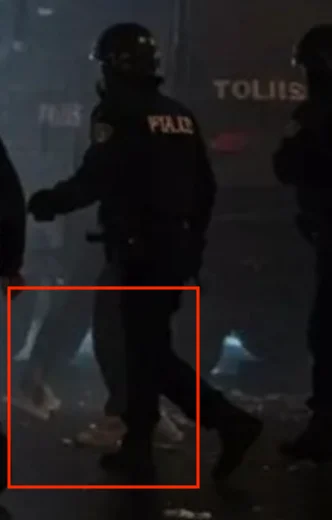
Professor Hany Farid, who specialises in digital forensics at the University of California, Berkeley, and is Chief Science Officer at GetReal Labs, a cybersecurity company focused on preventing malicious threats from generative AI, told us this image is AI-generated, noting the misspelled text on the police van and police jackets on the right hand side of the image. The word "POLIS" is distorted.
Another clue the image isn’t real is disembodied feet and legs that appear to emerge from the van and the police officer on the right side of the picture.
Join 74,000 newsletter subscribers who trust us to check the facts
Sign up to get weekly updates on politics, immigration, health and more.
Subscribe to weekly email newsletters from Full Fact for updates on politics, immigration, health and more. Our fact checks are free to read but not to produce, so you will also get occasional emails about fundraising and other ways you can help. You can unsubscribe at any time. For more information about how we use your data see our Privacy Policy.
What is happening in Turkey?
There have been ongoing protests in Turkey since the arrest of Istanbul Mayor Ekrem Imamoglu on 19 March.
Mr Imamoglu is being held in jail on corruption charges, which he denies. He is seen as President Recep Tayyip Erdogan's main political rival.
As of Saturday, nearly 2,000 people had reportedly been arrested for taking part in the protests.
Before sharing content you see online, it’s important to consider whether what you are seeing is genuine and comes from a trusted source. Our guides to spotting AI-generated or otherwise misleading images online can help you do this.
This article is part of our work fact checking potentially false pictures, videos and stories on Facebook. You can read more about this—and find out how to report Facebook content—here. For the purposes of that scheme, we’ve rated this claim as altered because this image isn’t real and was generated using artificial intelligence.
Was this helpful?
Full Fact fights for good, reliable information in the media, online, and in politics.